
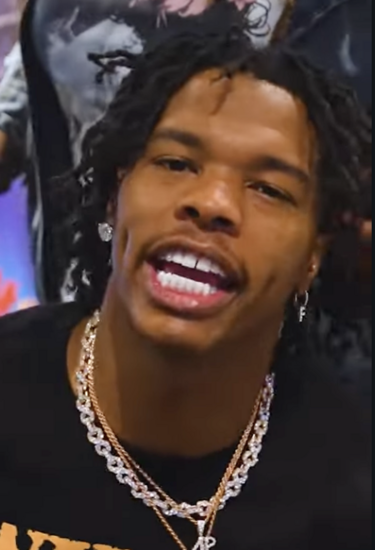


Dominique Armani Jones, known professionally as Lil Baby, is an American rapper whose melodic trap style and reflective street narratives have made him one of the leading voices in 2010s and 2020s hip-hop. He was born on December 3, 1994, in Atlanta, Georgia, growing up in the city’s Oakland City neighborhood. Raised by a single mother after his father left when he was very young, he experienced poverty and frequent run-ins with trouble at school, eventually dropping out in ninth grade.(Wikipedia)
Before music, Jones spent time hustling on the streets and served a prison sentence on drug-related charges—experiences he later referenced extensively in his lyrics. Friends and associates in Atlanta’s Quality Control camp encouraged him to try rapping seriously after his release. In 2017 he began recording prolifically, releasing mixtapes like Perfect Timing, Harder Than Hard, and Too Hard, with the single “My Dawg” giving him his first Hot 100 entry and regional breakout.(Wikipedia)
His debut studio album Harder Than Ever (2018) reached No. 3 on the Billboard 200 and featured the Drake-assisted hit “Yes Indeed.” He followed with collaborative projects and the 2020 album My Turn, which topped the charts and became one of the year’s most-streamed albums, with tracks like “Woah,” “Sum 2 Prove,” and “We Paid” (with 42 Dugg) dominating playlists.(Wikipedia)
Lil Baby also gained recognition for politically charged work. His 2020 single “The Bigger Picture,” released amid protests over racial injustice, addressed police brutality and systemic racism, earning Grammy nominations and praise as one of the era’s most powerful protest songs from a mainstream rapper.(Wikipedia)
Subsequent releases, including It’s Only Me (2022) and numerous high-profile collaborations, kept him at the center of U.S. rap. He won a Grammy for Best Melodic Rap Performance as a featured artist on “Hurricane” by Kanye West, and has been nominated for multiple others.(Lil Baby Wiki)
While he maintains a relatively low-key personal demeanor, Lil Baby’s lyrics paint a picture of someone navigating the transition from street life to legitimate success, wrestling with loyalty, fatherhood, and the pressures of fame. For many younger listeners, especially in the American South, he embodies the modern trap-star archetype: technically sharp, melodically inclined, and grounded in the realities of Atlanta’s neighborhoods.